There is a bar at the end of a dirt road on Jost Van Dyke, a small island in the British Virgin Islands that has no traffic lights, no bank, and, for most of its history, no particular reason to appear on any map. The Soggy Dollar Bar - named for the wet currency swimmers pulled from their trunks after wading ashore — invented the Painkiller sometime in the 1970s, and for years treated that fact as casually as the island treated shoes. The drink existed. People drank it. The trade winds kept blowing.
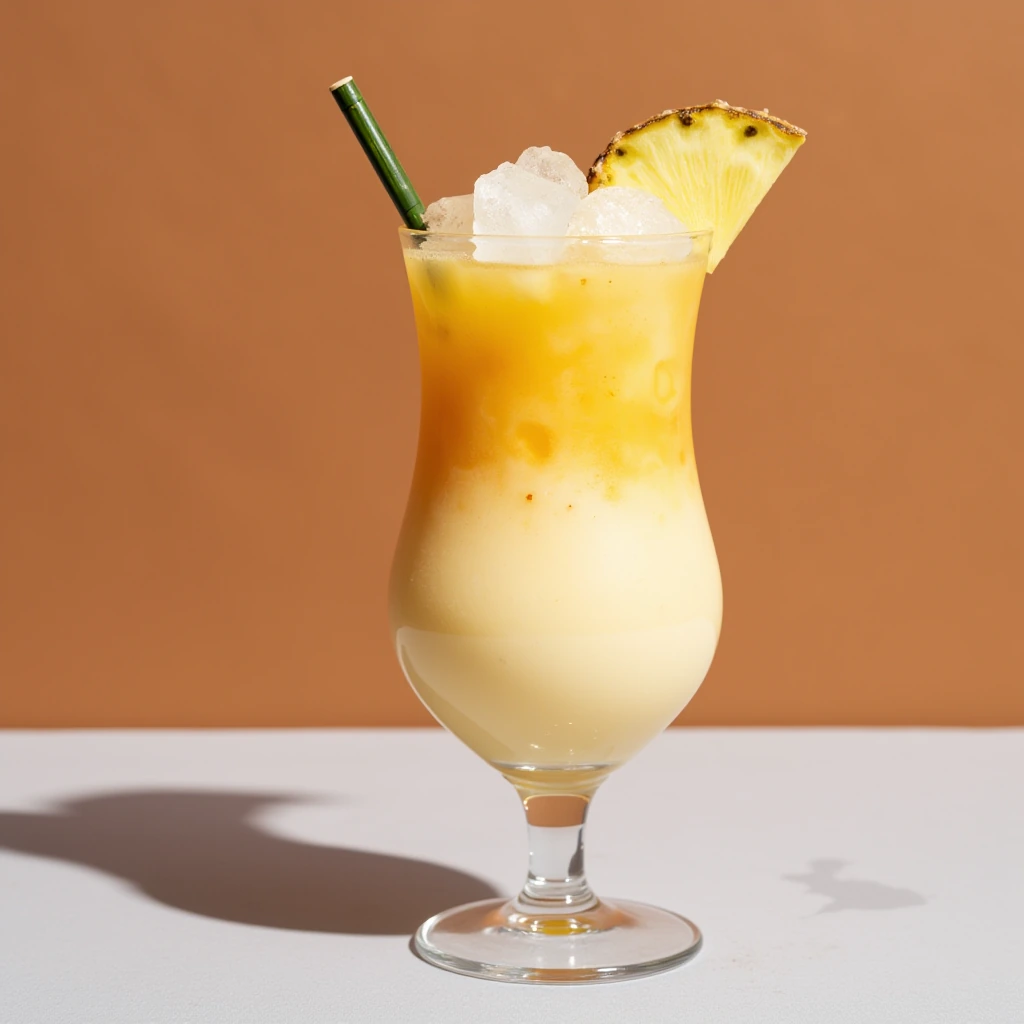
Painkiller origin stories share this quality: they resist the urge toward mythology. Daphne Henderson is the name most often attached to the creation, a Soggy Dollar regular and, by certain accounts, the person who first worked out the proportions that gave the drink its particular gravity - that dense, creamy, fruit-forward body that sits in a hurricane glass like a small tropical weather system. The details are loose the way bar history always is. What isn't loose is the result. The drink spread through the British Virgin Islands the way good bar drinks spread anywhere: one charter-boat crew at a time.
The Painkiller might have stayed a regional artifact, the kind of thing you drink once on vacation and spend years failing to reproduce, except that Pusser's Rum decided it was worth owning. In 1989, the British naval-heritage rum brand trademarked the name and declared that an authentic Painkiller required their rum specifically - a move that landed somewhere between brand strategy and audacity, depending on which side of the bar you were standing on. Cease-and-desist letters followed, dispatched to bars around the United States that had been making the drink with whatever dark rum was on the rail. The craft cocktail community, already prone to grievance, was not amused.
What Pusser's understood, even if their method of expressing it was maximally irritating, is that the Painkiller has a structure worth protecting. It is not a loosely improvised tropical drink. The ratio of pineapple to coconut cream to orange to rum creates something specific - richer than a Piña Colada, less sweet than the category typically demands, with a depth that comes from the rum's funk working against the fruit's brightness. Change the spirit significantly and you change the drink. The trademark war was essentially an argument about whether that mattered. It did.
The legal situation has softened into something like a détente. Bars make the Painkiller with Pusser's when they stock it, with other dark rums when they don't, and the drink survives both arrangements, which is its own argument for the recipe's resilience. What the Soggy Dollar built - and what Pusser's, despite themselves, helped calcify into something more than a regional quirk -is a formula sturdy enough to withstand decades of substitution, intellectual-property skirmishes, and the general chaos of the tropical-drink category's periodic falls from fashion.
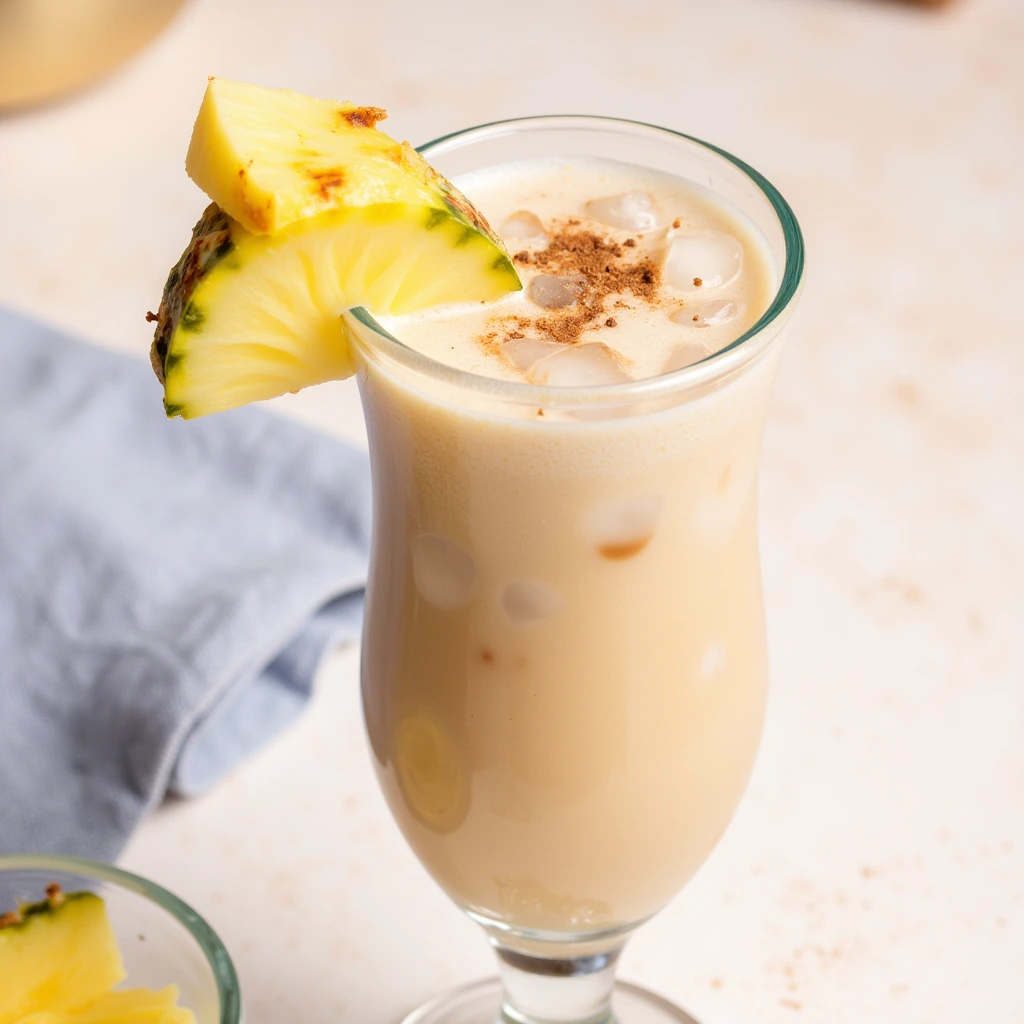
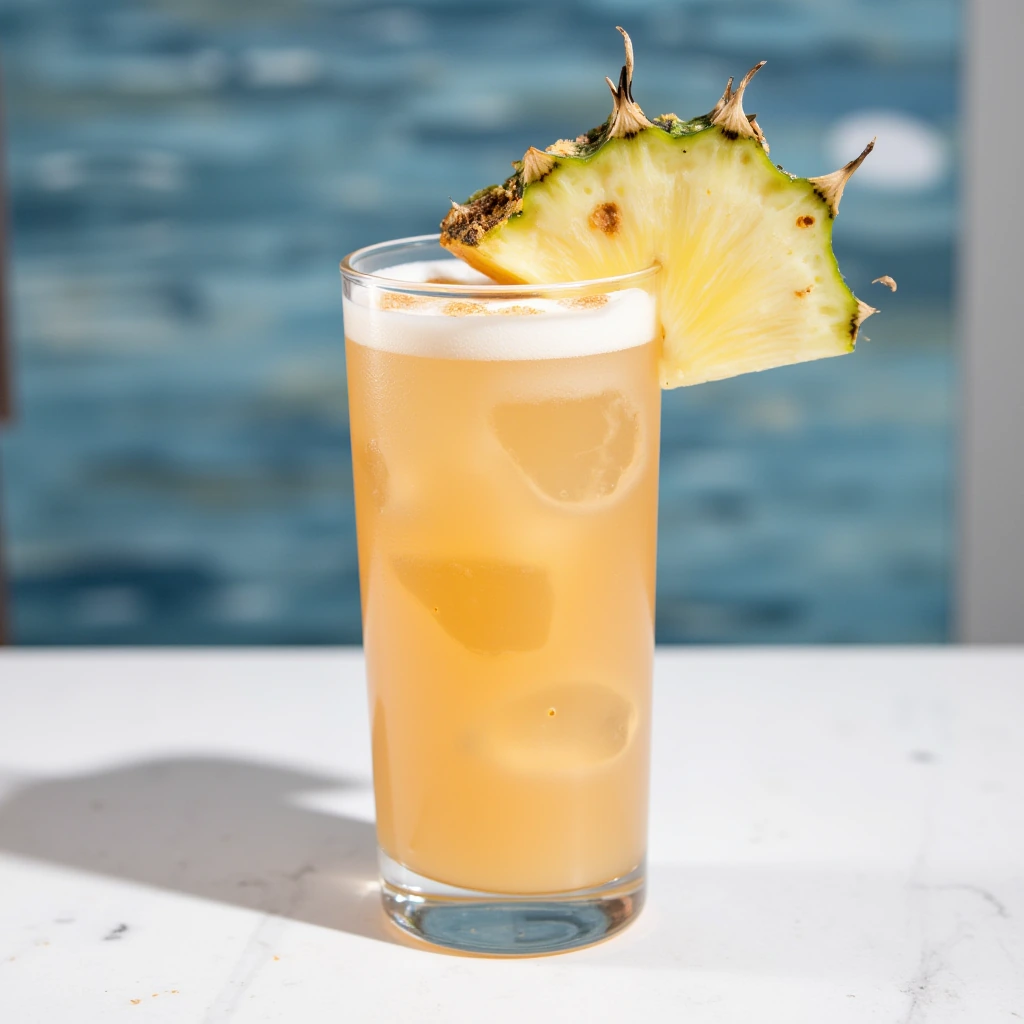
The crushed ice matters here more than it does in most drinks. The coconut cream wants to settle; the ice slows that negotiation and keeps the drink cold enough that its sweetness stays in proportion rather than turning cloying. The pineapple wedge across the rim is not decoration in the ironic sense - it is, genuinely, part of the drinking experience, a bite of acid to reset the palate mid-glass. This is a drink with opinions about how it should be consumed, which is either charming or presumptuous, and the correct answer is charming.
Make it tonight because some drinks travel poorly and the Painkiller is not one of them - it has crossed oceans, survived lawyers, and arrived in your glass essentially intact, which is more than most things manage.